
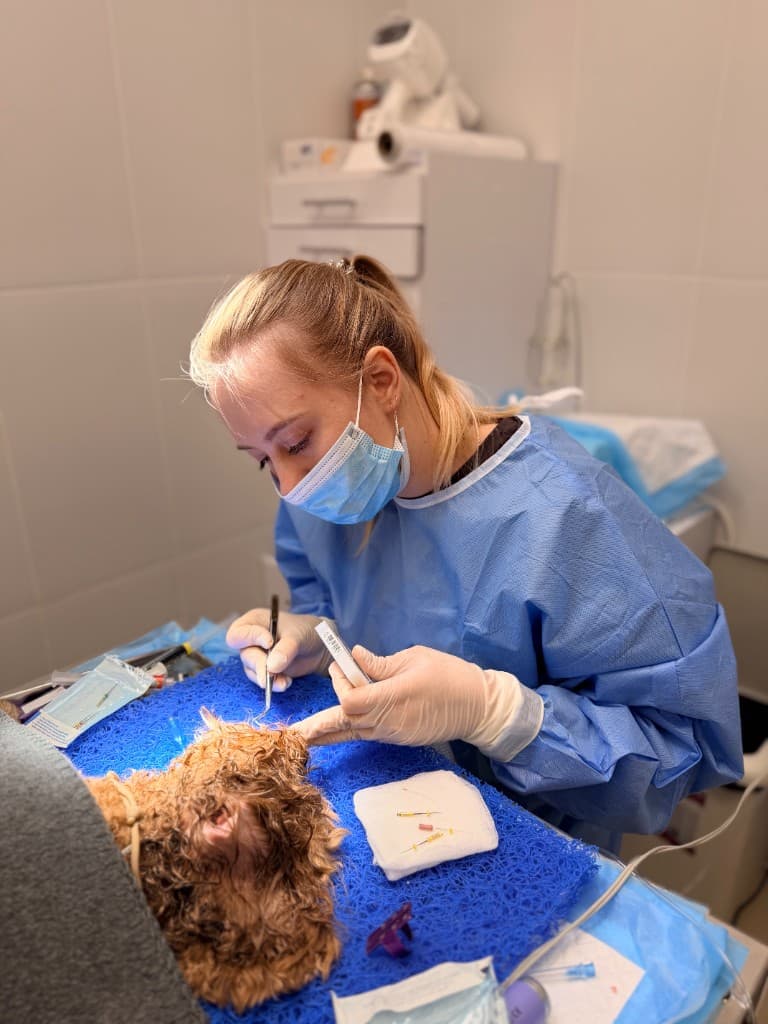
Modern
Modern approaches to diagnosis and treatment
- Precise diagnostics with dental radiography
- Care for teeth, gums, bite and trauma
- Endodontics, restorations, orthodontics and piezosurgery
- Modern equipment and a digital dental chart
Precise diagnostics, modern treatment, and care for dental and gum health — so nothing stops your pet from living fully and enjoying every day
How treatment works →Modern approaches to diagnosis and treatment
Control and care at every stage of treatment
Treatment only when indicated — with each step explained
Choose what you've noticed in your pet — and find out what it could mean and what to do next.
Dogs and cats can keep eating even with diseased teeth and chronic dental pain. So a preserved appetite does not always mean there is no problem.
COHAT is a comprehensive oral assessment under anaesthesia that includes professional hygiene, periodontal examination, full-mouth dental radiography and evaluation of every tooth.
More about COHAT →Full-mouth X-rays reveal roots, bone and changes hidden beneath the gumline.
Professional hygiene, diagnosis and treatment of periodontal disease — from gingivitis to regenerative therapy where indicated.
Root canal treatment and vital pulp therapy to preserve traumatised or diseased teeth where clinically indicated.
Custom-made crowns to restore shape and function and add protection for a preserved tooth after trauma or treatment.
Composite restorations, correction of enamel defects, Air Flow hygiene and prevention — tailored to individual needs.
I explain every stage, help you prepare and put together a clear plan for the next steps.
Assessment of the teeth, gums, mucosa and bite, history-taking, a provisional treatment plan, an indicative cost and detailed recommendations.
I review the history, good-quality photos and videos, ask clarifying questions and provide written recommendations on what to do next.
We review the situation and discuss possible treatment.
The required list is decided individually; it may include blood tests, echocardiography, ultrasound and other investigations as indicated.
The clinicians review the results and confirm that the procedure can go ahead.
We choose a date and plan the dental procedure.
A provisional plan can already be discussed at the consultation, but the final scope of treatment is decided after full diagnostics under anaesthesia and dental radiographs.
The COHAT protocol includes full oral diagnostics and professional hygiene. Further treatment follows after diagnostics, once the plan and cost are agreed.
Assessment of the teeth, gums, mucosa, bite and any visible pathology.
Removal of supragingival and subgingival deposits with a scaler, then Air Flow fine cleaning.
Pocket probing, plus assessment of tooth mobility and the tissues around them.
Full-mouth X-rays to assess roots, bone and pathology hidden beneath the gumline.
The plan is formed after full diagnostics. Local blocks, treatment or extraction follow when indicated.
Enamel polishing, dental chart, photos, X-rays and a PDF report with recommendations.
Extraction isn't the only option. After full diagnostics I assess each tooth individually and, when clinically justified, consider treating and preserving it.
Root canal therapy to preserve traumatised and diseased teeth.
Keeping the tooth viable after trauma or pulp injury.
Restoring the shape, protection and function of a damaged tooth.
Restoring and protecting a tooth after treatment — when clinically indicated.
Treatment of the gums and supporting tissues, using PRF and GTR when indicated.
Correcting a traumatic bite to help preserve teeth and keep the pet comfortable.
My priority is to preserve the tooth when it's possible and safe for your pet's health
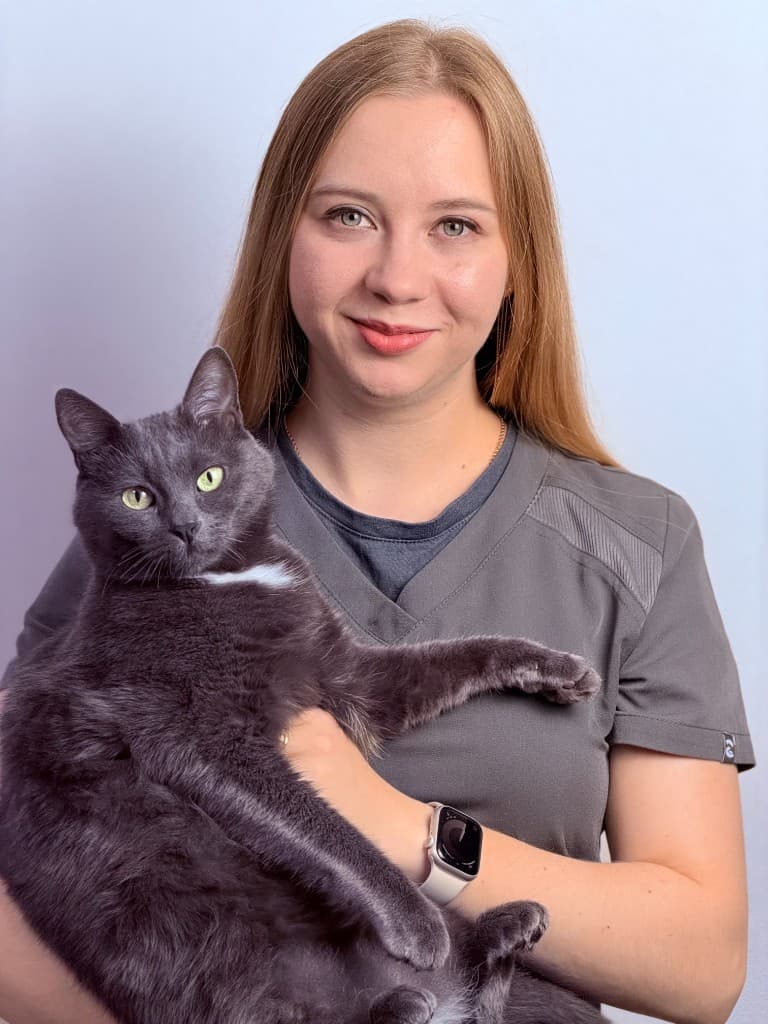
I’ve worked in veterinary medicine for over 8 years, and since 2022 I’ve specialised exclusively in dentistry for dogs and cats. I hold a Master’s in Veterinary Medicine from NULES of Ukraine. I am a member of EVDF and regularly take part in the European Veterinary Dental Forum.
UVDA · WSAVA · USAVA · BSAVA · FECAVA · EVDF
Founder of the Triadan App and Academy Triadan professional ecosystem for modern veterinary dentistry.
Short videos from practice @dr.vetstomat: clinical cases, explanations, and pet dental care.
Ointments, gels, sprays or antibiotics do not remove the cause of most dental diseases and may only temporarily reduce some signs. The treatment approach is chosen after full diagnostics.
Open on Instagram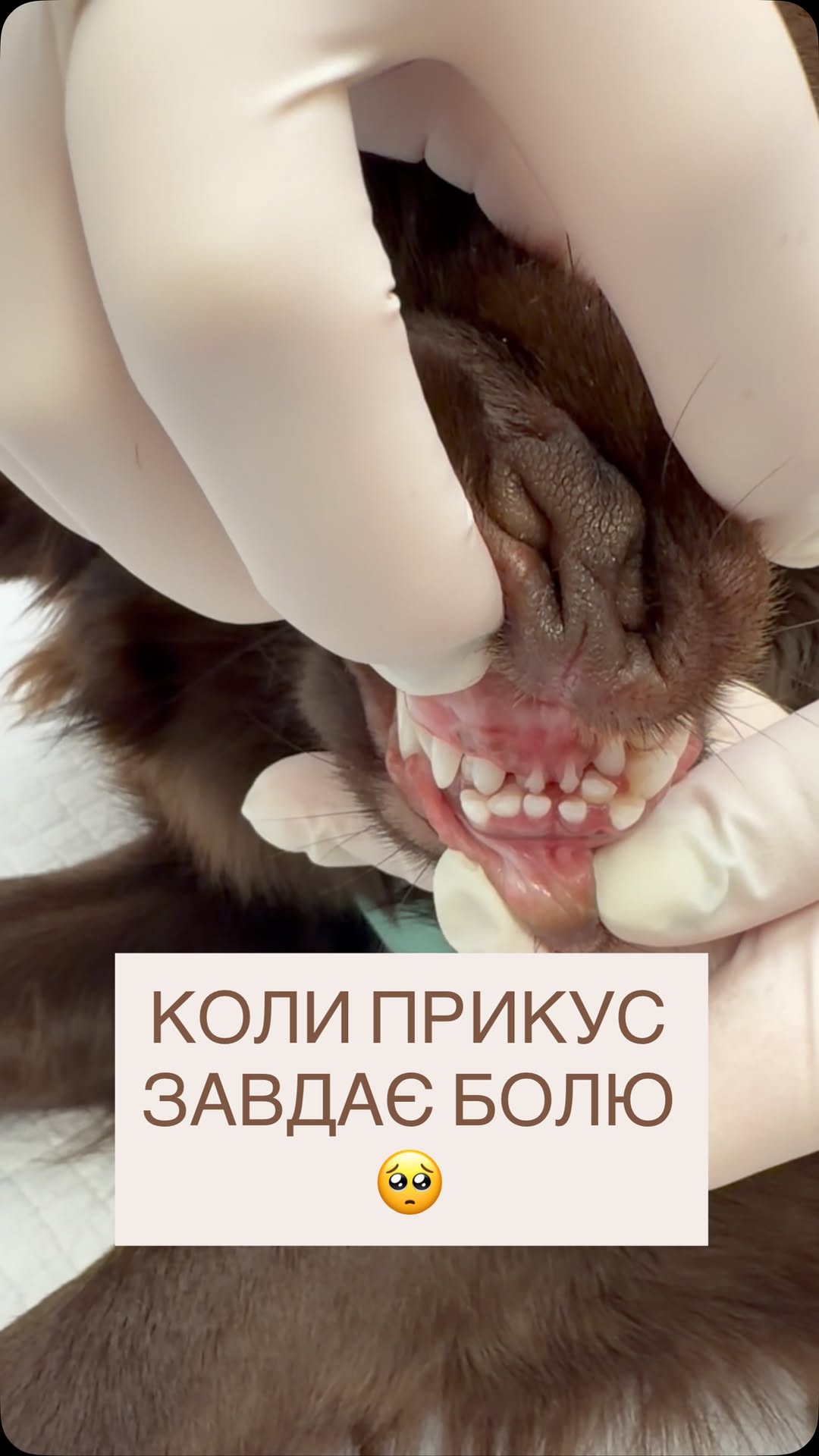
A misaligned bite isn't just a cosmetic issue — it can cause discomfort and further problems down the line. An early assessment helps correct things in good time.
Open on Instagram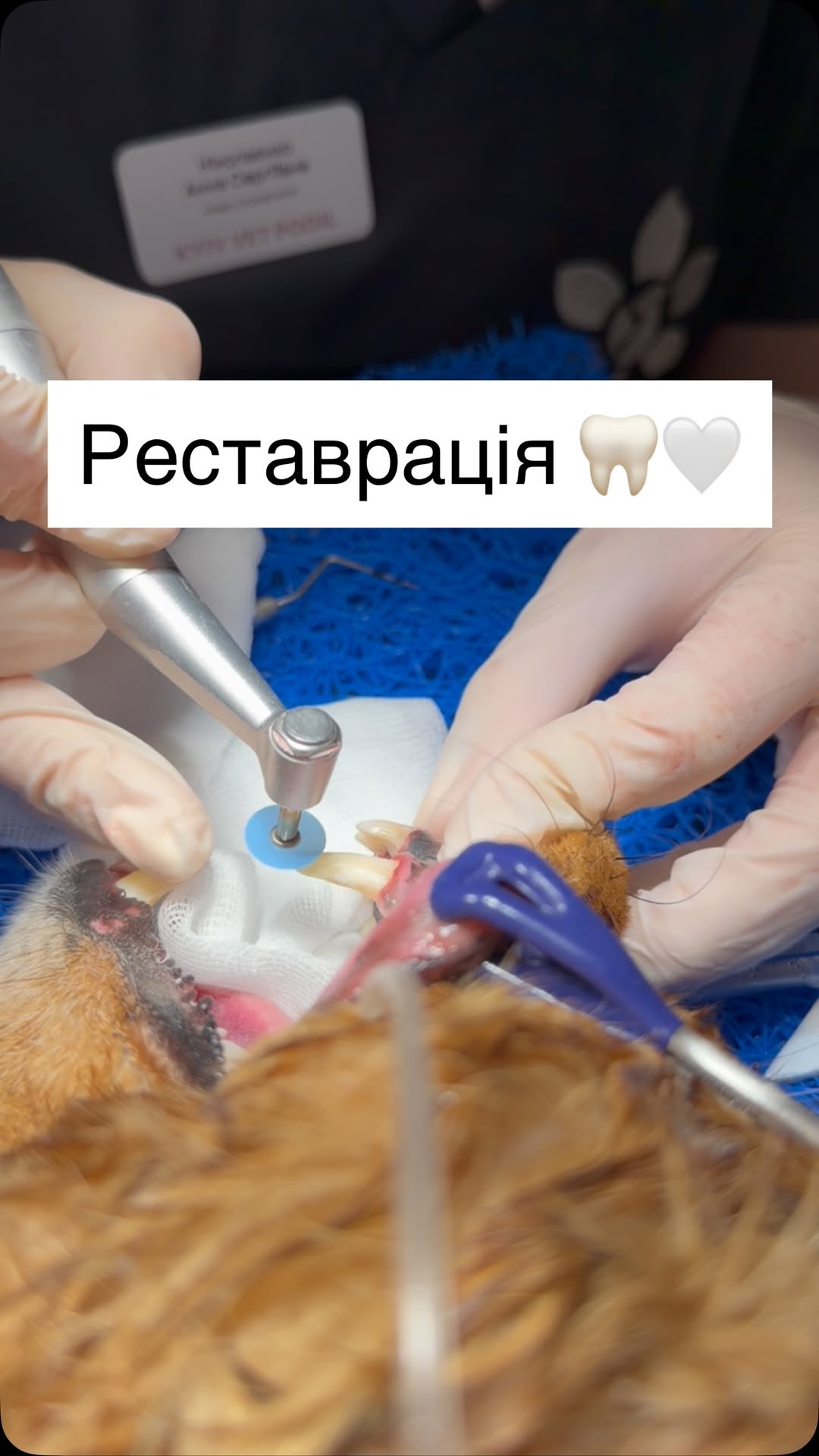
A case from practice: modern veterinary dentistry focused on the patient's comfort and health.
Open on Instagram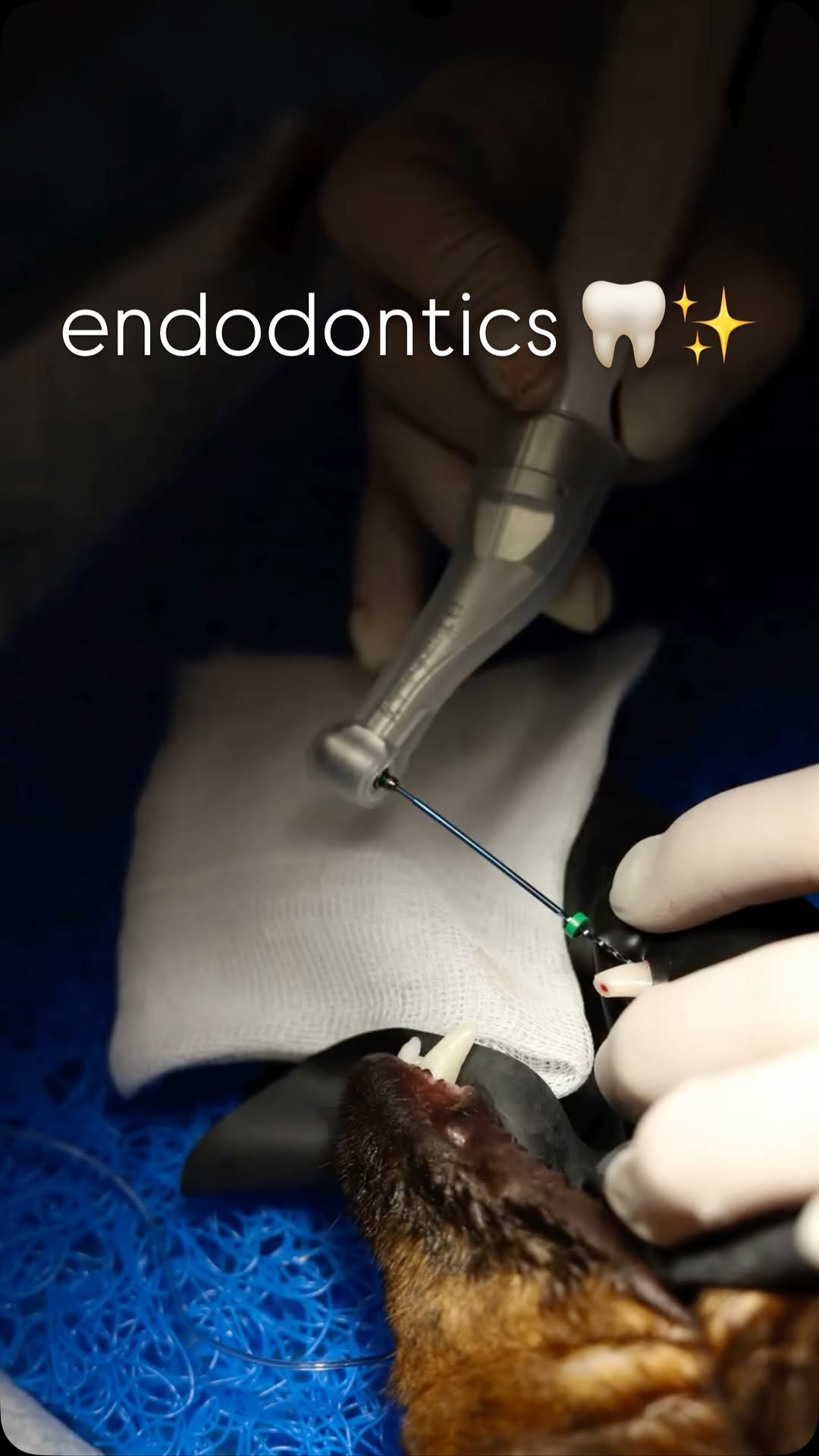
Modern veterinary dentistry — quality treatment and a gentle approach to our smallest patients.
Open on Instagram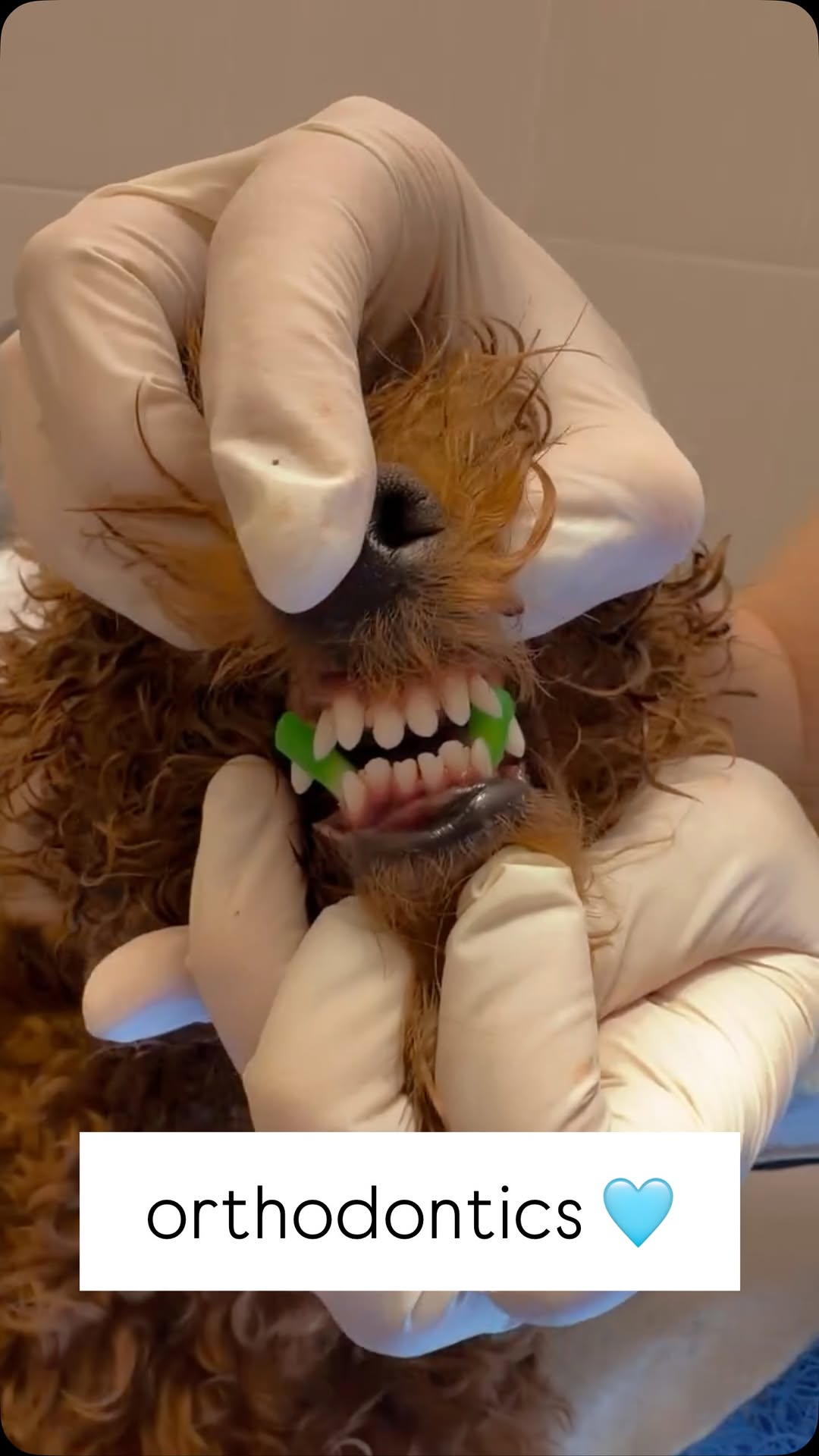
Bite correction in veterinary dentistry isn't about looks — it's about comfort and function.
Open on Instagram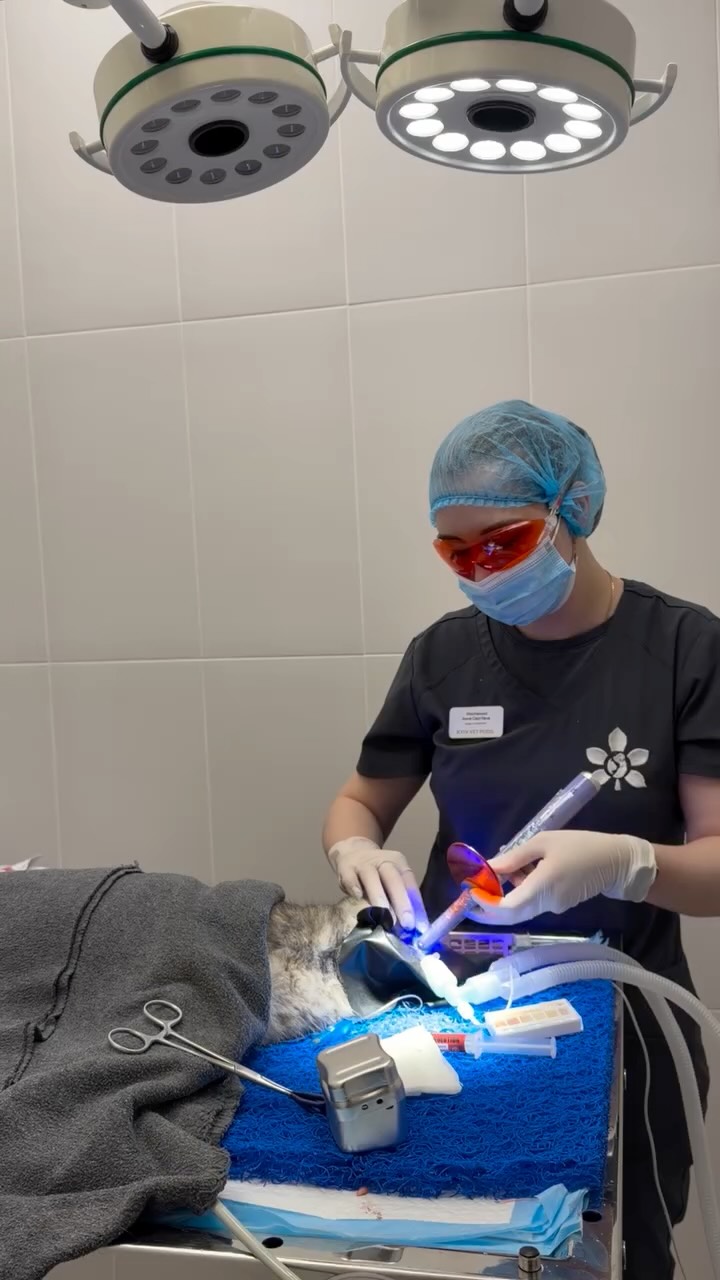
Complex treatment cases: preserving tooth function wherever there is a clear clinical indication to do so.
Open on InstagramI explain in detail what was found, why that approach was chosen, and how treatment progressed.
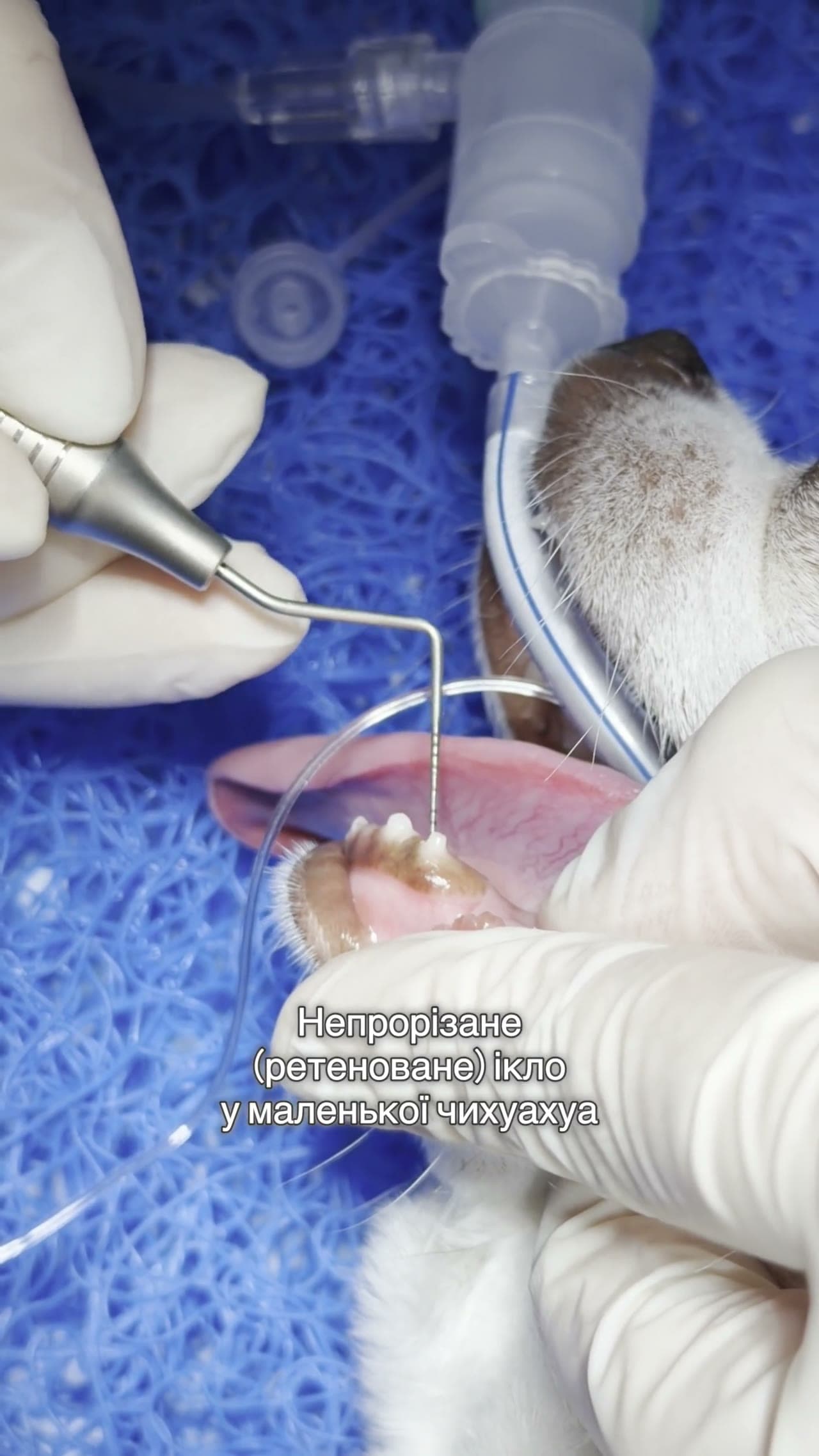
During a COHAT, an unerupted permanent canine tooth was found within the mandible of a dog. At its thinnest point, only about 0.3 mm of bone remained, requiring an especially controlled piezosurgical technique for extraction.
View case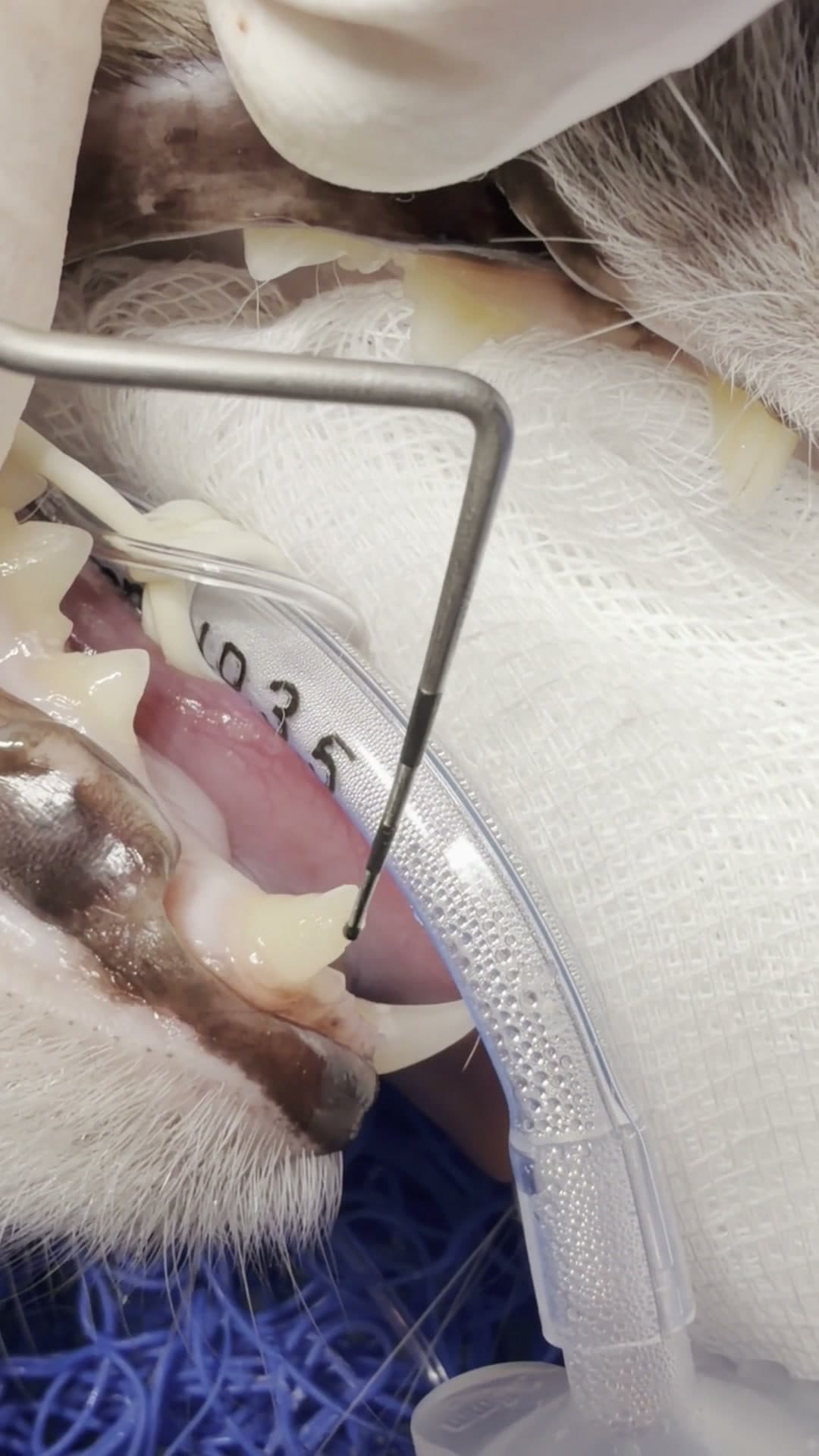
A young cat fractured three canine teeth after a fall: one root was extracted, and two teeth were saved with endodontic treatment and crown restoration.
View case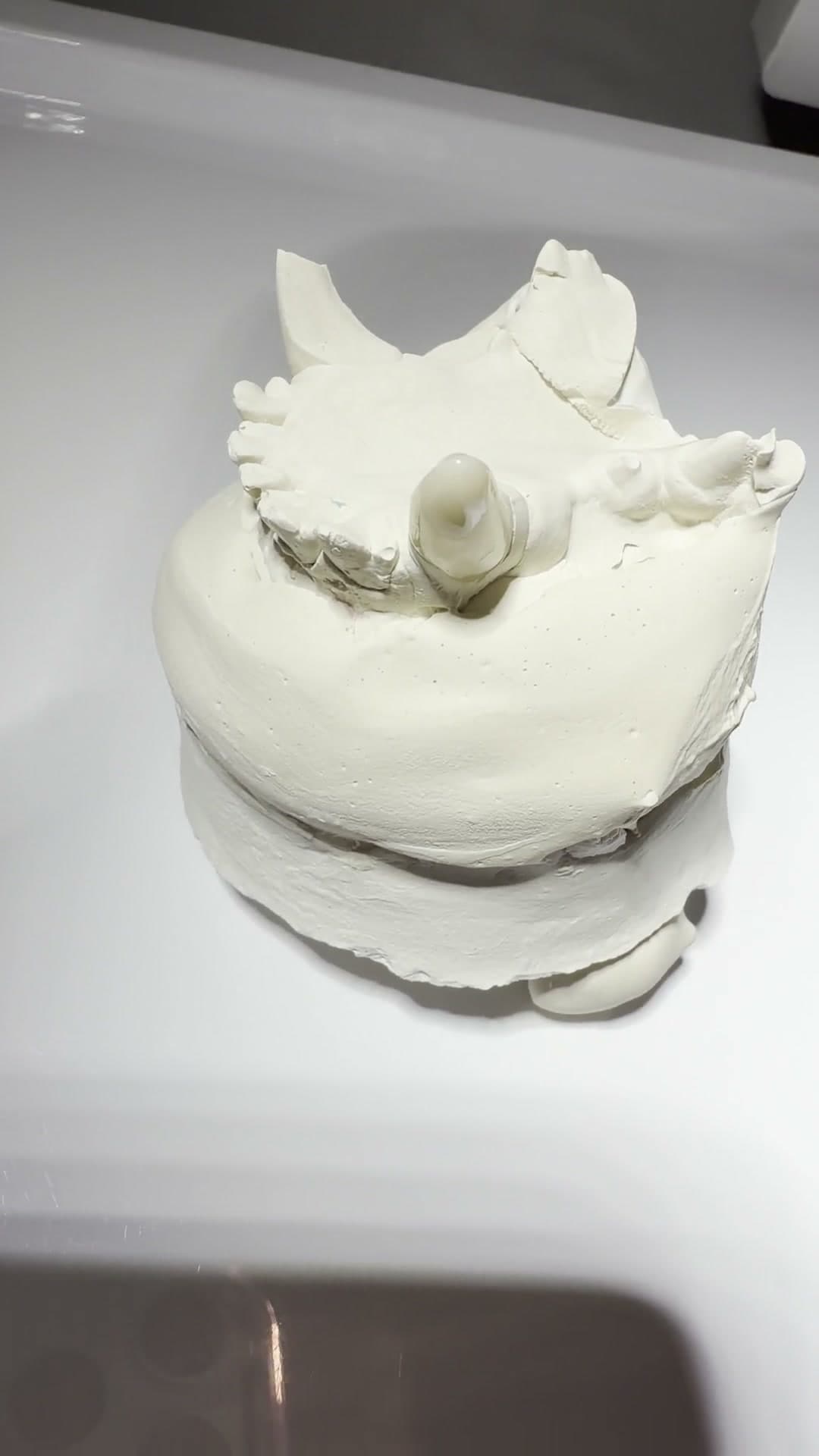
After a complicated fracture and endodontic treatment, the dog damaged the crown restoration again. A custom zirconia crown was made to protect the remaining canine tooth structure.
View case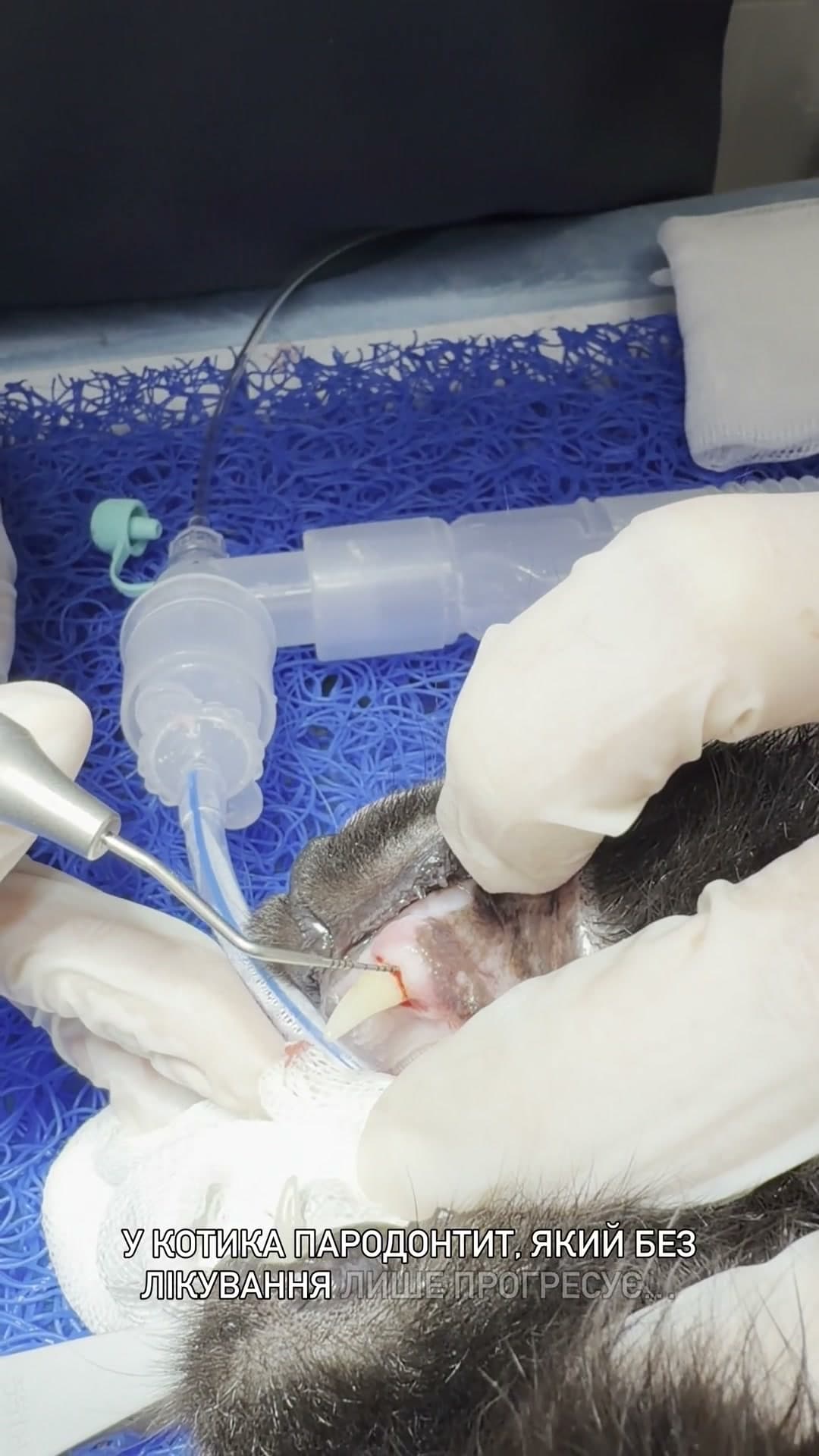
During COHAT, a 5-year-old cat was found to have periodontitis, tooth resorption, and differing prognoses for its two canine teeth. For the upper canine tooth with a localized bone defect, regenerative GTR + PRF treatment was used.
View caseI understand that anaesthesia is what worries owners most before dental treatment. So it matters not simply to say that “everything will be fine”, but to explain how we care for your pet’s safety and comfort.
At an in-person or online consultation we can outline a provisional plan and approximate estimate. The final scope of treatment and exact fee are determined after full diagnostics under anaesthesia and dental radiography.
COHAT protocol
Included in the fee:
Extractions, endodontic treatment, restorations and other procedures are not included in the base COHAT fee: after diagnostics the vet shows findings and agrees the plan and any extra cost. If full diagnostics reveal changes that require adjusting a previously agreed treatment scope, further steps are agreed with the owner. Anaesthetic support is billed separately.
More about anaesthesia →Personal PDF report
It gathers diagnostic findings, an assessment of each tooth, procedures performed, clinical photos and dental radiographs. The report stays with you as a clear PDF — you can review, save or share it with another doctor any time.
You keep more than a list of procedures — a clear, continuous record of your pet’s dental health.
I've gathered answers to the questions owners ask most often before a consultation, diagnostics and treatment.
Why COHAT is more than a dental clean: diagnostics under anaesthesia, X-rays and a treatment plan when indicated.
What oral cavity treatment means and how it differs from the full COHAT protocol.
Causes of bad breath, warning signs and when to see a vet.
Short answers for dog and cat owners — on symptoms, diagnostics, anaesthesia, fees and how to get in touch.
If you've noticed bad breath, tartar, bleeding gums, pain while eating, drooling, loose teeth, a change in tooth colour, swelling or facial trauma — it's best not to put off an examination. I also recommend bringing your pet to a dentist if you suspect a bite problem in a puppy or kitten, or simply for a routine check-up, even when there are no obvious complaints.
Read more →Comprehensive dental diagnostics and treatment require controlled general anaesthesia with airway protection, monitoring and appropriate pain management. During the procedure we need to examine every tooth carefully, take a full set of dental X-rays, assess the gums, and carry out treatment or extractions. To do this properly and without undue stress for the animal, anaesthesia is needed. I use inhalational anaesthesia with monitoring, and every procedure is carried out with a veterinary anaesthetist present.
Read more →I understand why owners would prefer a simpler option, but there's an important point: without anaesthesia you can only remove what is visible on the surface. Subgingival deposits, the state of the gums and roots, and hidden problems remain unseen. That's why proper professional hygiene and diagnostics are done under anaesthesia — this provides controlled conditions for comprehensive diagnostics and treatment.
Read more →Because far from everything is visible from the outside. A great many dental problems hide under the gumline: root lesions, bone loss, tooth resorption in cats, the after-effects of trauma and other changes. Full-mouth dental radiographs help us see the full picture and make the right decision — what can be saved, and what already needs treatment or extraction.
Read more →Not always. In selected cases, a damaged tooth may be preserved if the pulp, root and periodontal support allow it. Options may include endodontic treatment, vital pulp therapy or restoration. The decision is always individual — after examination and dental radiographs. My job is not to rush to extraction, but first to see whether treatment is possible.
Read more →The exact fasting time and water access are confirmed individually before the procedure — they depend on age, health status and the anaesthetist's recommendations. It's also helpful to bring previous discharge notes and test results if you have them. If it's only a consultation without anaesthesia — no special preparation is usually required.
Read more →The final cost depends on exactly how much treatment your pet needs. After a consultation we can discuss a provisional plan, but an accurate quote is formed only after full clinical diagnostics and dental radiographs, once it's clear what actually needs doing. For orientation: examination and consultation — 1 250 ₴; COHAT: up to 20 kg — 7 500 ₴, over 20 kg — 9 700 ₴; inhalational anaesthesia — 4 500–5 500 ₴ (separate from COHAT). In other words, we don't guess — we work from the real picture in the mouth.
Read more →In most cases recovery is uneventful. After waking, it's important to let your pet rest and follow advice on food and home care. If extractions or other procedures were done, I explain in detail how to manage the first days and what to watch for. The recovery plan always depends on the scope of treatment, so the advice will be tailored to your case.
Read more →Pets often mask chronic oral pain and may keep eating while changing how they do it: avoiding hard food, eating on one side, or choosing soft food. A normal appetite does not mean the teeth are not painful. Watch for bad breath, blood-tinged saliva, reduced grooming in cats, or avoiding touch to the muzzle.
Read more →Yes — swelling under the eye or above a canine tooth is often linked to dental infection, such as a root abscess. There may be no obvious problem with the tooth from the outside, so an examination and dental X-rays are needed. It's best not to delay a visit.
Read more →Human toothpastes, rinses, gels and other dental products are not designed for dogs and cats. Some ingredients may be unsafe when swallowed, and xylitol in some products is toxic to dogs. For home care, use only products made for pets or recommended by your vet.
Read more →Pick a convenient time and confirm availability when booking.
Updated 2026-09-16 19:40
Monday
September 21
Wednesday
September 23
Friday
September 25
Availability can change during the day and is confirmed when you book.
Didn’t find a suitable time? Confirm availability directly with Anna.
Training for veterinary doctors at different levels — from first steps in dentistry to deeper work with complex clinical cases.
The programme is adapted to your level and goals.
We can meet at the clinic or talk online on Telegram. Tell me what concerns you about your pet — I’ll help you get oriented and plan the next steps.