
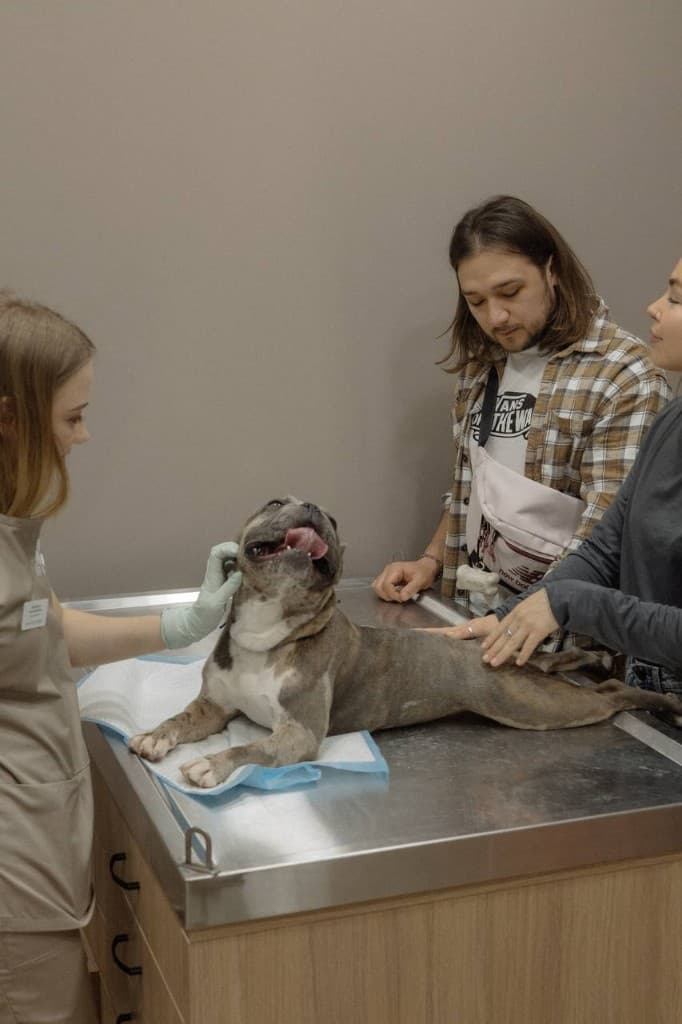

What oral cavity treatment means
Oral cavity treatment is a broad concept. It describes procedures aimed at identifying and addressing dental problems in a pet. But the term itself does not tell you whether full-mouth dental radiography was done, periodontal probing carried out, each tooth assessed, or treatment provided where needed.
Different clinics may mean different things by 'oral cavity treatment': sometimes only visible tartar removal, sometimes professional hygiene with polishing, and sometimes a full protocol close to COHAT. That is why I always advise owners to clarify in writing or in an estimate exactly what is included.
The term is not wrong — it simply needs to be specified, just as in human medicine a general procedure name does not replace a detailed treatment plan.
What COHAT and КОХАТ are
COHAT stands for Comprehensive Oral Health Assessment and Treatment — a full assessment of oral health and treatment where indicated.
COHAT is the original Latin-script name of the protocol. КОХАТ is the Ukrainian Cyrillic spelling of the same term. In some regions you may also hear other variants that arise when people visually misread the Latin letters in COHAT — but in veterinary dentistry these usually refer to one comprehensive protocol, not different procedures.
In my practice COHAT remains the standard professional term. If you hear another spelling from a colleague, it is worth confirming whether they mean the full protocol with radiography and assessment of every tooth — not professional hygiene alone.
Are oral cavity treatment and COHAT the same thing
Not always. Sometimes 'oral cavity treatment' is used to mean the full COHAT protocol, but more often it means a smaller scope. Below is a rough comparison to help you orient yourself.
Tartar removal
Removal of visible deposits on the crown surface. On its own this is not a full diagnostic work-up: roots, bone and subgingival areas remain unassessed.
Professional hygiene
Supragingival and subgingival cleaning with a scaler, finishing with AirPolishing (sometimes called Air Flow in everyday speech) and polishing. This is an important step, but it does not replace dental radiography, periodontal probing or assessment of each tooth.
Oral cavity treatment
A general name for procedures aimed at identifying and addressing dental problems. The actual scope needs to be clarified: whether radiography, probing, a dental chart and treatment where indicated are included.
COHAT / КОХАТ
A comprehensive assessment of the whole mouth with diagnostics, professional hygiene and treatment where indicated. In my practice this is the standard protocol, described on the COHAT service page and in detail in the article 'What is COHAT?'.
What a full COHAT protocol includes
Below is a concise list of the steps I carry out within COHAT. Detailed explanations of each step are in the article on the COHAT protocol; here the point is to see the full scope so you can compare it with what may be offered under the name 'oral cavity treatment'.
- oral examination under anaesthesia — teeth, gums, mucosa, tongue, bite
- supragingival and subgingival cleaning with a scaler
- finishing with AirPolishing
- periodontal probing, assessment of tooth mobility and pocket depth
- full-mouth dental radiography
- assessment of each tooth
- enamel polishing
- dental chart, photos, radiographs, PDF report and home care recommendations
- discussion of findings; additional treatment (including local dental blocks when needed) — only when indicated and after the plan and cost are agreed
For a detailed description of each step, see 'All stages of the COHAT protocol in detail' in the related articles below or on the COHAT service page.
Why simply removing tartar is not enough
Visible tartar is only part of the problem. The main changes are often below the gumline: in periodontal pockets, around roots and in bone. Without probing and radiography these areas cannot be fully assessed.
After cosmetic cleaning teeth may look clean while disease remains. Periodontal disease, crown and root fractures, and periapical infection are common in dogs. In cats it is also important to consider tooth resorption (TR) — a process that often starts below the gumline.
Gingivitis — inflammation of the gums — may accompany plaque build-up, but this is not the same as feline chronic gingivostomatitis, which is a separate condition and needs different diagnostic attention. I do not call any gum redness 'stomatitis' without clinical justification.
When a dog or cat needs a dental examination
Book a consultation if you notice one or more of the following signs:
- unpleasant odour from the mouth
- hypersalivation (excessive drooling)
- blood in saliva or discharge from the mouth
- refusal of toys or hard treats
- refusal of dry food or a change in how the pet eats
- reduced appetite
- eating food on only one side
- avoiding touch around the muzzle
- swelling of the muzzle or the area under the eye
- tooth mobility or loss
- gingivitis — red, bleeding gums
- in a cat — reduced grooming
- changes in behaviour while eating
Dogs and cats may keep eating even with diseased teeth and chronic pain. They often change how they grasp and chew food rather than stopping altogether. A normal appetite does not rule out dental disease.
In small and medium breeds dental problems sometimes develop faster because of crowding and harder home care — that does not mean large breeds are 'protected', but preventive checks matter for them too.
How to tell whether a full procedure is being offered
Before booking or at a consultation I suggest asking the following questions. They help you understand the scope — not to 'test' the vet:
- Is the whole mouth examined under anaesthesia?
- Is dental radiography of all teeth performed?
- Is each tooth assessed individually?
- Is periodontal probing carried out?
- Are areas below the gums cleaned?
- Is local analgesia used during treatment?
- Is a treatment plan formed after diagnostics?
- Is a dental chart kept?
- Will I receive radiographs, a report and recommendations?
- Who performs and monitors anaesthesia?
How much oral cavity treatment costs
Cost depends on the pet's weight, duration of anaesthesia, diagnostic findings and treatment required. A final plan cannot be reliably determined from a photo or a brief conscious examination alone — some disease is only found after a full work-up and radiography.
Before treatment after diagnostics the owner receives a plan and estimate. I do not recommend choosing solely on the lowest 'cleaning' price without clarifying what is included.
Current guidance on the COHAT protocol, consultation and anaesthesia is on the pricing page (see related pages below).
Need a consultation with a veterinary dentist?
At a consultation I assess the visible condition of the mouth, explain possible causes and help plan further diagnostics. Message on Telegram or book an in-person examination — we will agree the next steps without unnecessary pressure.
When to see a vet
- unpleasant mouth odour or visible tartar
- bleeding gums or blood-tinged saliva
- the pet eats on one side or avoids hard food
- you need to know whether the 'oral cavity treatment' offered includes radiography and full diagnostics
What not to do at home
- Do not rely only on how teeth look after a 'clean'
- Do not decline radiography without discussing it with the vet
- Do not treat a normal appetite as proof there is no pain
- Do not chip off tartar yourself
Frequently asked questions
COHAT (Comprehensive Oral Health Assessment and Treatment) is a comprehensive protocol for examination, diagnostics and treatment of the mouth under anaesthesia. КОХАТ is the Ukrainian Cyrillic spelling of the same term. Always confirm the actual list of steps included.
No — they are names for the same comprehensive protocol. COHAT is the English acronym; КОХАТ is the Ukrainian Cyrillic spelling. What matters is which diagnostic and treatment steps are actually included.
Not always. 'Oral cavity treatment' is a general term. COHAT is a defined protocol with full diagnostics. Sometimes 'oral cavity treatment' means hygiene only, without radiography — so clarify the scope.
Home brushing removes soft plaque. Professional hygiene under anaesthesia cleans supragingival and subgingival deposits. Full oral cavity treatment or COHAT adds probing, radiography, assessment of each tooth and treatment where indicated.
A full examination, probing, subgingival cleaning, radiography and treatment cannot be done properly in a conscious pet. Visible tartar can be partly removed, but that does not replace diagnostics.
For a full assessment — yes. Hidden root and bone disease is not visible from the outside. Selective radiographs can miss lesions on teeth that look normal.
Duration depends on the state of the mouth, extent of treatment and the pet's weight. COHAT without complex treatment usually takes several hours including preparation and recovery.
Price depends on weight, anaesthesia and treatment after diagnostics. Guidance for the COHAT protocol and anaesthesia is on the pricing page. The final estimate is formed after examination.
No. Treatment follows clinical indications. The priority is relieving pain and infection; teeth are preserved when that is justified and safe. Not every tooth can be saved, and it is normal to discuss that after diagnostics.
Sources and professional guidelines
- WSAVA Global Dental Guidelines ↗Глобальні настанови з ветеринарної стоматології
- AAHA Dental Care Guidelines for Dogs and Cats ↗Клінічні настанови з дентального догляду
- AVDC Nomenclature ↗Номенклатура та термінологія AVDC
© dr.vetstomat. Original content.
Copying and publishing text and visual materials without the author's written consent is not permitted, except as allowed by law.